Why Your Toilet Keeps Running
Three cistern faults explain almost every toilet that keeps running: an inlet valve that will not close, a flush valve seal leaking water into the pan, or a level set past the overflow. A licensed plumber sorts all three in a single visit in most cases.
If we're late, $100 comes off your bill

- Licensed and InsuredEvery job done by a licensed plumber. QBCC No: 15024607
- Fixed Quote FirstFlat-rate pricing, agreed before any work starts
- Lifetime Labour WarrantyBacked by our Fix-It-or-It's-Free guarantee (T&Cs apply)
- $0 Call-Out FeesNo extra charge for nights, weekends or public holidays
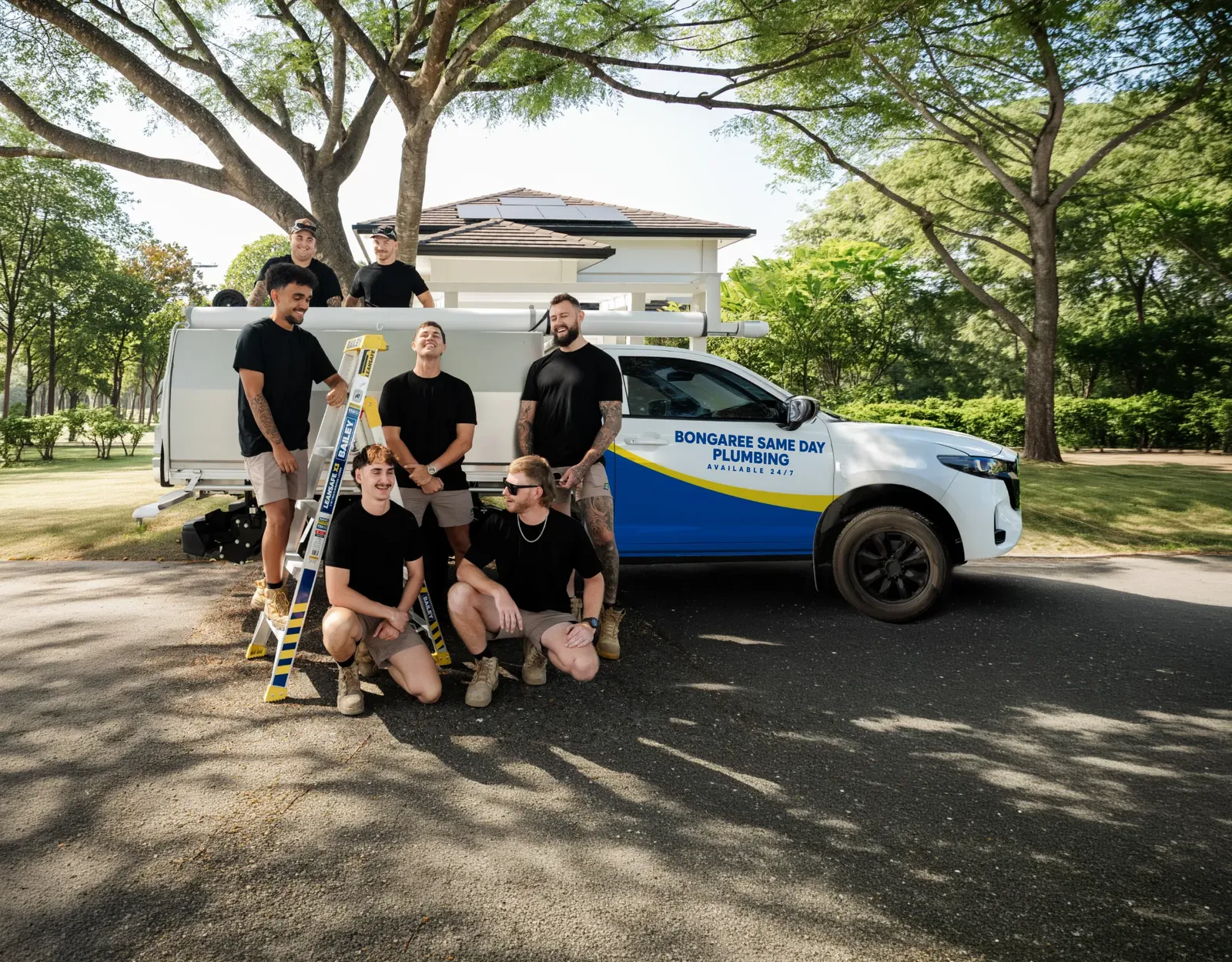
Our Bongaree team is available 24/7, and there's no extra charge for nights, weekends or public holidays. Most of the housing here went up between the 1960s and the 2000s, so plenty of bathrooms run cisterns on their second or third set of internals.
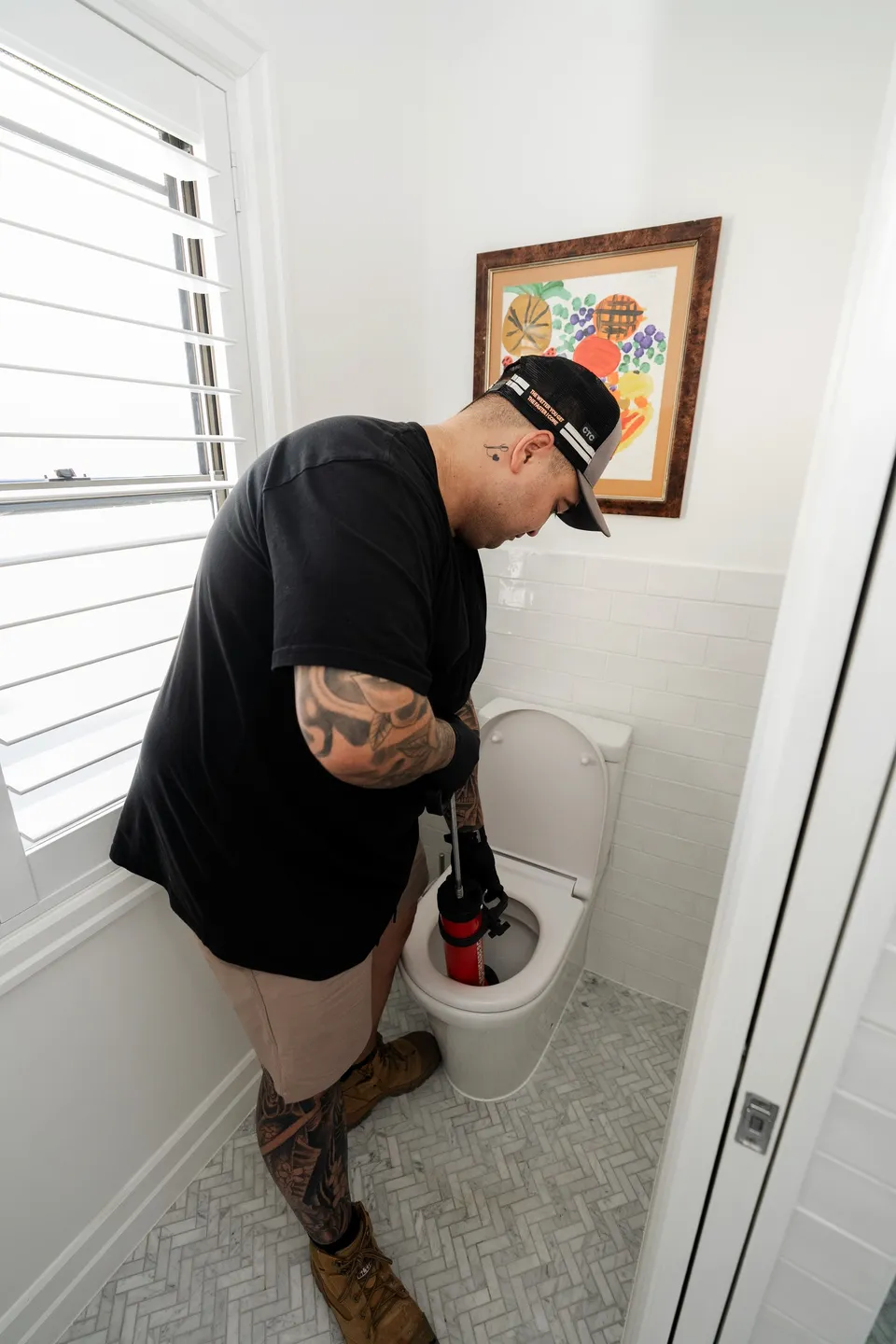
Why the Cistern Never Stops Filling
Three faults explain a cistern that never stops: an inlet valve failing to shut, a flush-valve seal leaking into the pan, and a level running out the overflow. Each one announces itself differently.
A hiss that keeps going
after the refilling finishes means the inlet valve is still passing water. The inlet valve tops the cistern back up after a flush and closes once the float sits high enough; a tired one just keeps trickling.
A cistern refilling by itself
with no flush means water is escaping past the outlet seal. The flush valve holds the water between flushes, and a worn seal on it lets that water drain to the pan.
Water spilling from the overflow pipe
means the level is set past its mark. The overflow is the safety route that keeps spare water off your floor, and it only runs when the valve or the float lets the level climb too far.
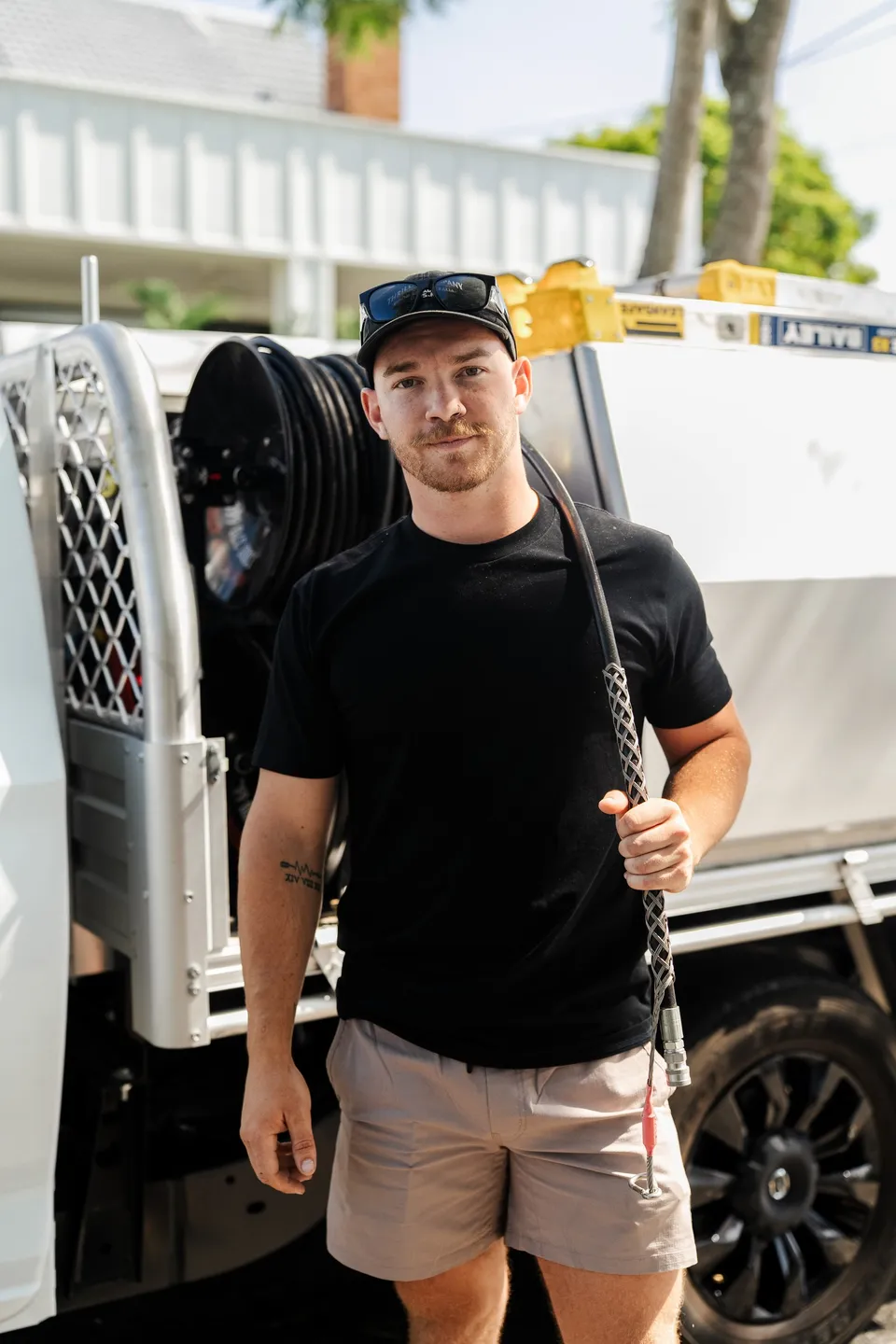
Slow, Partial or No Refill After a Flush
A cistern refusing to fill usually comes down to three things:
an inlet valve worn stiff or blocked
with sediment, so the refill runs weak or stops dead
a float set below its fill line
, which closes the valve before much water arrives
a stop tap left partly shut
, starving the whole refill at the wall
Water pouring in without the level climbing is the opposite fault. There the flush-valve seal can be passing water out as fast as it arrives, so the cistern can never fill.
A bathroom near the Bongaree Post Office might hold a cottage cistern from the 1960s or a villa suite built last decade. Either way, an inlet valve wears in gradually, and refills that get weaker year by year are the valve, not the water pressure.
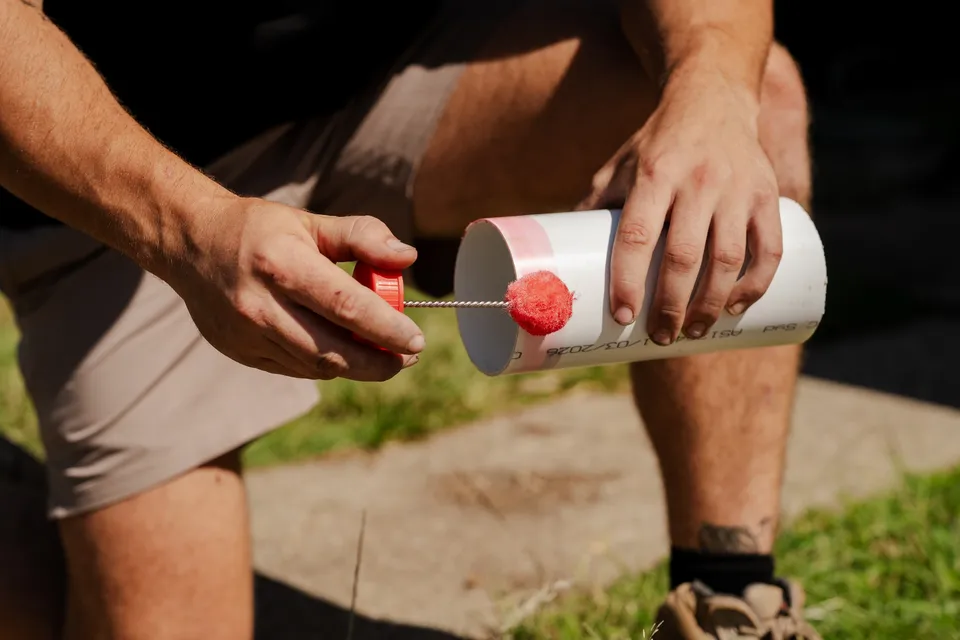
Where Home Owner Toilet Repairs Stop
The QBCC gives home owners exactly three cistern parts:
the drop valve washer
the float valve washer
the suction cup rubber
Whoever has the know-how may fit those three: no licence, no approval and no report required. The finished job must still satisfy the standards.
Beyond those, every toilet repair counts as minor work, which the rules reserve for a licensed plumber. No permit applies, and no Form 4 gets lodged. We give no DIY steps past the dye check below, because the allowance stops at those three parts.
Rentals run on their own rules. The owner or manager answers for keeping the place sound, and the tenant's duty is reporting problems without delay.
The Dye Test for a Leaking Cistern
Run the check like this:
- Tip a little food colouring from the bottle into the cistern.
- Leave the toilet alone without flushing.
- Watch the bowl: tint showing there means the cistern leaks into the pan, and the flush-valve seal is the part to blame.
Flush once you've finished, because the colouring won't mark a ceramic bowl. A clear bowl after the wait tells you the flush valve is holding, so the inlet valve and the level are next on the list.
No colouring in the kitchen? Rest a dry piece of toilet paper above the water line, high on the bowl's back wall. A damp sheet points to the same leak the dye would show.
Does the Water Utility Cover a Running Toilet
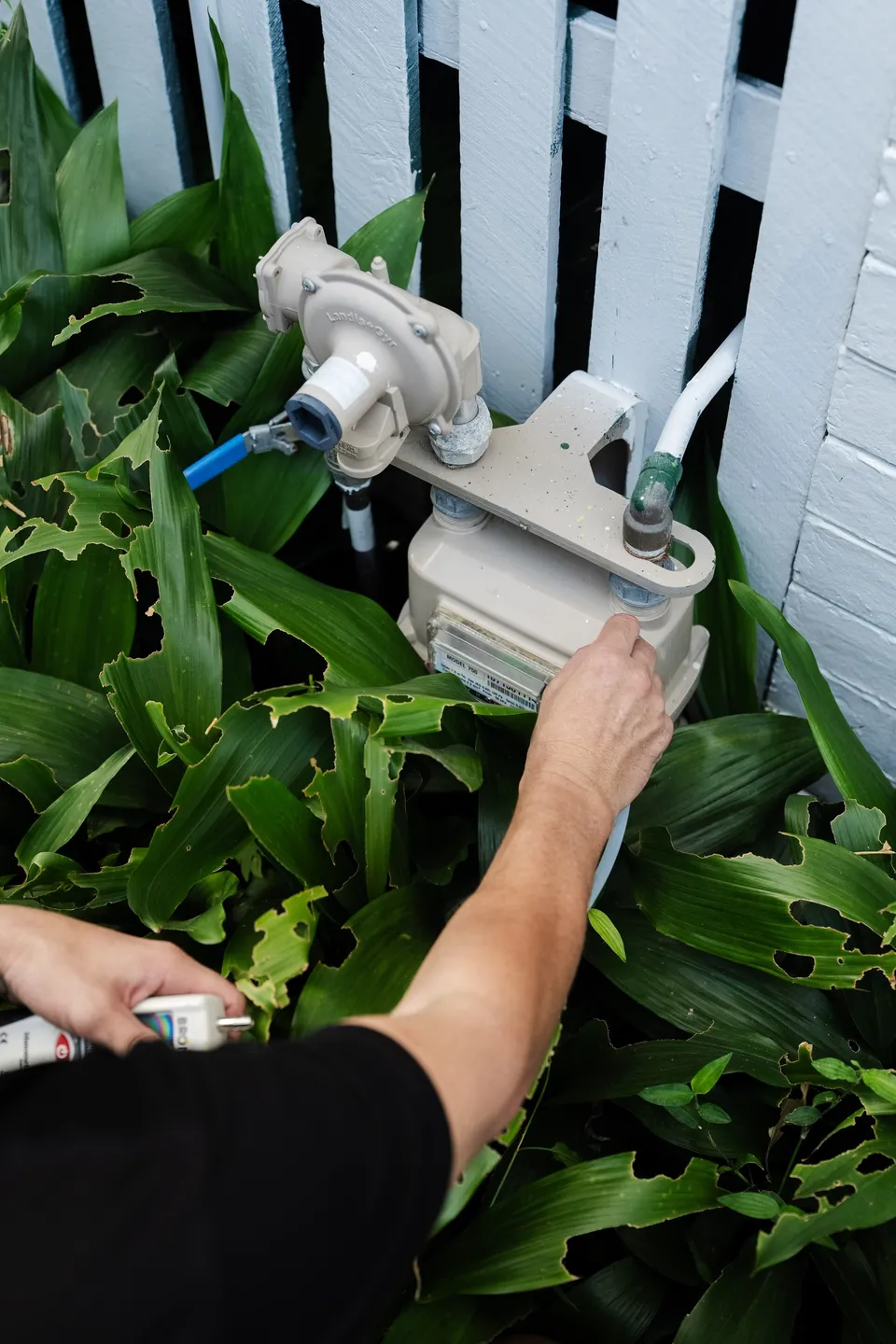
No, and the exclusion surprises plenty of people. Unitywater's concealed-leak adjustment never covers water a leaking cistern wastes, so the utility won't credit that share of the bill.
The property owner answers for leaks on the property side, and for the water those leaks lose. Unitywater looks after the public mains and the public sewer; every pipe on the property side belongs to you.
The last census put the median age here at 67, so plenty of households read the water account closely. A cistern quietly cycling day and night belongs on the fix-it list, not the forget-it list.

When to Call a Licensed Plumber
Ring us once the dye shows colour in the bowl, or whenever the hiss won't stop. Our toilet repairs page walks through what a visit involves, from lifting the cistern lid to fitting the new parts.
Tenancy law treats a blocked or broken loo as an emergency, but a running cistern counts as routine, so the fix comes within a reasonable time after the tenant speaks up.
Running Loo Questions Answered
Call (07) 3523 7121Why is my toilet cistern not filling up?
Three suspects cover nearly every case: sediment or wear inside the inlet valve, a float sitting below its proper mark, or a stop tap nobody opened fully. When water pours in yet the level stays down, the outlet seal at the base of the cistern may be passing it straight through. We confirm which one on site.
Which cistern parts can I replace myself at home?
The QBCC allows three: a drop valve washer, a float valve washer and a suction cup rubber, plus nothing else on the cistern. Whoever does the swap needs the knowledge for it, and the finished work must still meet the standards. Every other toilet repair is a job for a licensed plumber.
Will the water utility cover a running toilet in Bongaree?
No, that water stays on your own bill. Unitywater excludes cisterns from its adjustment for concealed leaks, and the property owner carries any leak on the block's side of the meter. Until the fault is fixed, the trickle lands in the usage charges.
What does it cost to fix a running toilet in Bongaree?
Two things drive the price: which part has died, and how much time the shutoff and the cistern take to free up once we arrive. A seized isolating tap in an older bathroom adds work. The fixed quote you approve before any work starts is the figure you pay.

Call Us About the CisternWe'll call you back.
Phone (07) 3523 7121 for a licensed plumber in Bongaree. We work under QBCC No: 15024607, with flat-rate pricing, no hidden fees and same-day where we can.
To claim your $0 call-out fee, call (07) 3523 7121 today.